

Program Mission
The mission of Trevecca’s PA program is to prepare professionally competent physician assistants who will use their skills to serve their communities in compassionate ministry.
Value and Vision Statement
The Trevecca PA Program values experiential differences, service-mindedness, empathy and determination. Our foundation is built on leadership and service, and we hold professionalism, integrity, equanimity, humility and capacity for growth in the highest regard. Our vision is to provide a culture where our students are transformed through their PA educational experience, equipping them to intentionally impact the lives of their patients and community.
Program Benefits
- History of Excellence
Graduate from Tennessee’s first and longest-established Physician Assistant program, with a 100% first-time PANCE pass rate maintained over the past five years. - Collaborative Culture
Join a supportive community of future physician assistants who are working toward the same goal and encouraging one another throughout the journey. - Accessible & Experienced Faculty
Learn from faculty who possess the highest degrees in their fields and have relevant and valuable real-world experience. - State of the Art Facilities
Develop hands-on expertise in our new facilities, complete with a dedicated 8-cadaver lab. - Career Connections
Earn your degree in the nation’s healthcare capital. - International & Domestic Rotations
Enhance your clinical training while caring for diverse populations through international, faith-based, and underserved clinical rotation experiences.
New Facilities
As Trevecca celebrates 50 years of excellence in physician assistant education, the University opened a new Health Sciences Building in 2022 designed to support the next generation of healthcare professionals. This four-story building provides a state-of-the-art environment for learning, collaboration, and innovation. The facility includes a dedicated eight-cadaver anatomy lab and adds more than 33,000 square feet of classrooms, laboratories, and student-centered spaces to campus.
These modern facilities reflect Trevecca’s ongoing commitment to academic excellence and hands-on learning. Designed to foster collaboration, innovation, and community, the Health Sciences Building provides an exceptional environment where PA students can thrive while building on a longstanding tradition of student support and educational excellence.
What to Expect
As a student in Trevecca’s Master of Science in Medicine (MSM) Physician Assistant Program, you will join Tennessee’s first PA program. For 50 years, Trevecca has prepared highly skilled, compassionate healthcare professionals through a tradition of academic excellence, personalized support, and student success. Program graduates consistently perform at the highest levels, achieving a 100% first-time PANCE pass rate over the past five years.
To help students begin the program with confidence, Trevecca provides self-directed preparatory learning in key science disciplines before classes begin. Once enrolled, students engage in a rigorous curriculum designed to prepare them to deliver patient-centered care across diverse populations and healthcare settings. The program emphasizes clinical excellence, ethical practice, interprofessional collaboration, and adherence to legal and regulatory standards. Students also benefit from hands-on anatomy instruction in a dedicated cadaver laboratory featuring eight cadavers reserved exclusively for PA student education.
The curriculum is organized into two phases. During the 15-month didactic phase, students complete coursework focused on the medical sciences, clinical medicine, and professional practice. The subsequent 12-month clinical phase provides immersive patient care experiences through eight supervised clinical rotations in family medicine, pediatrics, behavioral and mental health, internal medicine, emergency medicine, women’s health, surgery, and an elective specialty selected by the student.
With state-of-the-art facilities, exceptional clinical training opportunities, and a supportive learning community, Trevecca’s PA Program equips graduates with the knowledge, skills, and professionalism needed to excel in today’s healthcare environment.

Admissions
The Trevecca Physician Assistant Program seeks to enroll a cohort of students who are well-prepared for the academic rigor and professional responsibilities of PA education while demonstrating the character, values and commitment to service that align with the program’s mission.
Our goal is to graduate competent, compassionate physician assistants who are prepared to provide high-quality patient care and uphold the fundamental principles of medicine. To support this goal, applicants admitted to the program must meet established academic and technical standards and demonstrate the intellectual ability, integrity, compassion, humanitarian commitment and physical and emotional capacity necessary to succeed in PA education and clinical practice.
Application to the Program
The Trevecca Nazarene University Physician Assistant Program is mission-driven and seeks applicants who demonstrate a commitment to compassionate service and making a meaningful difference in the communities they serve. Our holistic admissions process considers each applicant’s qualifications and experiences as a whole, including fulfillment of all minimum admission requirements, evidence of academic preparedness, and demonstration of the character and values we believe are essential to becoming a compassionate and competent physician assistant.
Applicants must apply through the Centralized Application Service for Physician Assistants (CASPA), which opens in late April.
-
All application materials, including required transcripts and supporting documentation, must be submitted directly to CASPA.
-
Applications must reach the “Complete” status in CASPA by October 1 to be consider for an interview.
-
All required PA shadowing and direct patient care experience minimum hours must be completed and documented in the CASPA application at the time of submission.
For questions regarding the Trevecca PA Program application process or admission requirements, applicants may contact the PA Admissions Team at 615-248-1363 or dldemana@trevecca.edu. Questions regarding CASPA technical support should be directed to CASPA.
Application Review Process
The PA Admissions Committee begins reviewing completed applications in late spring and continues throughout the fall admission cycle. Applicants who meet all minimum admission requirements are evaluated using a holistic review process that considers academic achievement, healthcare and service experiences, personal attributes, communication skills, and alignment with the mission and values of the Trevecca PA Program.
Because admission is highly competitive, applicants with strong indicators of academic preparedness may receive additional consideration. Examples include:
- Strong overall and science GPAs
- Completion of upper-level science coursework
- Science coursework completed at an institutionally accredited four-year college or university
- A history of sustained academic achievement and rigor
- Success while managing a full academic course load alongside significant extracurricular, employment, or service commitments
- Additional upper-level science coursework beyond the minimum prerequisites
- Successful completion of multiple laboratory science courses concurrently across multiple semesters
- Completion of an honors undergraduate degree
Beyond academic achievement, the Program seeks applicants who demonstrate professionalism, integrity, compassion, humility, emotional resilience, effective communication skills, and a commitment to service. An understanding of the physician assistant profession, combined with these personal qualities and strong academic preparation, contributes to a competitive application.
Interview Selection
Interviews begin in the summer and continue throughout the admissions cycle until the incoming cohort is filled. As the Trevecca PA Program utilizes a rolling admissions process, applicants are strongly encouraged to submit their applications early. For optimal consideration, applicants should complete all science prerequisite coursework by August 15 of the application year.
Applicants selected for an interview participate in both academic and general interview components. The interview process provides the Admissions Committee an opportunity to assess an applicant's academic readiness, communication and interpersonal skills, professionalism, understanding of the physician assistant profession, and personal qualities that align with the mission and values of the Program.
Graduates of Trevecca Nazarene University and Olivet Nazarene University who meet all admission requirements for the Trevecca PA Program are guaranteed an interview through the regular admissions process. These applicants are also eligible to compete for one of the Program's Early Assurance seats offered each admission cycle.
Admission Decisions
Following the interview, the PA Admissions Committee conducts a comprehensive review of each applicant’s application materials and interview evaluations. Admissions decisions are based on a holistic assessment of academic preparation, interview performance, healthcare and service experiences, personal attributes, and potential for success in both the Program and the physician assistant profession.
Based on this review and the progression of the admissions cycle, applicants may receive one of the following decisions:
- Offer of admission
- Continued consideration
- Placement on the alternate list
- Denial of admission
The Trevecca PA Program utilizes a rolling admissions process. Offers of admission are extended throughout the admission cycle and continue until the approved cohort of 50 students has been filled. Applicants are notified of all admissions decisions via email.
Admission offers are contingent upon the successful completion of all admission requirements and the timely submission of required seat deposits. A non-refundable initial seat deposit of $500 is required to reserve a position in the cohort, followed by a second $500 deposit approximately two months later. Specific deposit deadlines are provided in the offer of admission.
Admission Statistics for Most Recent Admitted Cohorts
|
Cohort |
Undergraduate GPA [Minimum 3.25] |
Overall Science GPA [Minimum 3.25] |
Average # of Upper-Level Science Courses |
|
CO2026 |
Average 3.78/ Range 3.49/4.00 |
Average 3.68/ Range 3.27/4.00 |
5 |
|
CO2027 |
Average 3.81/ Range 3.48/4.00 |
Average 3.75/ Range 3.36/4.00 |
5 |
|
CO2028 |
Average 3.82/ Range 3.43/4.00 |
Average 3.74/ Range 3.25/4.00 |
5 |
Note:
*Meeting minimum admission requirements does not guarantee an interview or acceptance.
**The Trevecca PA Program extends an invitation to interview to any Trevecca or Olivet Nazarene University graduate who meets all admissions requirements.
***Applicants who have been dismissed from another PA program are not eligible for admission to the Trevecca PA program.
What We Look for in Applicants
While meeting the minimum admission requirements is essential, most accepted applicants go above and beyond. The Trevecca PA program gives preference to applicants who demonstrate academic strength through:
- Higher overall GPAs
- High science GPAs
- Substantial upper-level science coursework
- Completion of science courses via an institutionally accredited college or university by one of the following approved institutional accrediting agencies: ACCJC, HLC, MSCHE, NECHE, NWCCU, SACSCOC or WSCUC
Additional qualities we value include:
- Strong interpersonal skills
- Clear evidence of academic rigor and preparedness
Academic excellence may be demonstrated by:
- Maintaining high grades while managing a full-time course load and significant extracurricular commitments
- Completing additional upper-level science courses (see our recommended list)
- Taking two or more laboratory sciences concurrently across multiple semesters
- Earning an honors undergraduate degree
Applicants who exhibit these qualities present a stronger, more competitive application. We encourage you to challenge yourself academically and highlight your achievements—both personally and academically—to submit the most compelling application possible.
Prerequisite Coursework Requirements
- Human Anatomy and Human Physiology with lab – 8 semester credits
- General Chemistry I and II with lab – 8 semester credits
- Microbiology with lab - 3 or 4 semester credits
- General Psychology – 3 semester credits
- Medical Terminology – minimum one credit/certificate
- Please note: Developmental psychology is no longer a prerequisite requirement.
- No online or hybrid courses for science prerequisites will be accepted except for those covered by the COVID-19 Policy.
- Science courses labeled as "survey" or "introductory" will not be accepted (for clarification, please contact us for approval).
- Online course options may only be used to complete the psychology course requirements and/or medical terminology course.
Science Prerequisite Expiration Policy
To ensure academic readiness, the following guidelines apply:
- Expired Courses: Science courses are considered expired if completed seven or more years prior to May of your program start year.
- Refresher Requirement: A refresher must include at least one semester of the expired science course or a higher-level version of that course. If both courses in a required series are expired (i.e., Chem I and II), a minimum of one semester is required to refresh the content of that series.
If your anatomy and physiology courses are more than five years old at the time of matriculation, we strongly recommend completing an updated or refresher course. Doing so ensures you have the most current knowledge and are well-prepared for the demands of the program.
If one of the required science prerequisite courses is expired, a refresher course must be completed.
Additional Upper-Level Science Courses
Admission to the Trevecca PA program is highly competitive. To strengthen your application and enhance your readiness for the rigorous curriculum, we strongly encourage applicants to complete additional upper-level science courses. These courses demonstrate academic excellence and provide a solid foundation for success in the program.
Accepted students typically complete an average of 3–7 additional upper-level science courses. The following is a list of additional courses that will assist you in increasing the competitiveness of your application:
- Biochemistry I & II*
- Cellular Biology
- Organic Chemistry I & II
- Genetics*
- Immunology*
- Molecular Biology
- Pathophysiology
- Physics I & II
*These courses have demonstrated greater relevance to PA curricula.
It is common for applicants to exceed all minimum admissions requirements. Statistics for the cohort of 2026 include the following ranges and average:
- Undergrad Cumulative GPA: range 3.37-4.0 with average 3.77
- Overall Science GPA: range 3.27-4.0 with average 3.68
Patient Care Hours
All applicants must log a minimum of 250 hours of direct patient care at the time of submission of the application. The following positions qualify for direct patient care hours:
- Medical assistant, patient care technician, surgical technician, first assistant, scribe
- CNA, LPN, RN, EMT/paramedic, OT/PT or OT asst./PT asst., AT-C, phlebotomist, RT, ER technician
- Lab technician, certified pharmacy technician, clinical dietician
- These job titles may only be used if phlebotomy or direct patient care is the majority of job description.
Special Considerations
Trevecca has created the STEM PA Scholar Pathway for students majoring in STEM programs at Trevecca and Olivet Nazarene Universities (with the exception of nursing). Students participate in a tailored academic experience to prepare for application to PA schools such as Trevecca’s. After completing an undergraduate STEM degree and meeting all prerequisite requirements, qualifying candidates in the Pathway receive either a guaranteed interview or early assurance of a guaranteed seat in the PA Program.
- Information sessions for TNU STEM PA Scholar Pathway occur each fall
- Applications for candidacy into the STEM PA Scholar Pathway are due by the end of February of the sophomore year.
- Candidacy interviews will occur each spring
If you are interested in applying or have additional questions on how to qualify, please email Katrina Gill, Director of PA Admissions at kgill@trevecca.edu.
English Language Proficiency (TOEFL iBT)
Applicants whose native (first) language is not English must demonstrate English language proficiency by meeting the minimum TOEFL iBT score requirements below:
- For TOEFL iBT exams taken before January 21, 2026:a
- Minimum total score of 80
- Minimum score of 20 in each section
- For TOEFL iBT exams taken on or after January 21, 2026:
- Minimum overall score of 4.0 on the 1 to 6 scale
- Minimum score of 4.0 in each section
International Students
- All admission requirements and policies apply to international applicants. All international applicants must complete fifteen (15) semester hours at a institutionally accredited college or university in the United States. For applicants who have completed foreign courses, please submit your coursework to the World Education Services (WES), Inc. WES will then send your report directly to CASPA.
- Applicants whose native language is not English are required to take the Test of English as a Foreign Language (TOEFL). A minimum TOEFL score of 80 is required with a minimum of 20 on all sections of the exam.
- Trevecca’s Certification of Financial Support must be on file at the time an I-20 form is issued. The same financial policies apply to international students as they apply to US citizens and US residents. Only international students with a valid F1 visa will be permitted to register for financial aid.
- To apply for an F1 visa, you must first apply for admission to the TNU Physician Assistant Program. After acceptance into the program, you will be required to provide a bank statement showing sufficient funds for one year of living expenses and tuition in the US. After the documents are received, we will then issue you an I-20 document, which is the form needed to apply for the F-1 visa through the US embassy in your country.
Admission Requirement Summary
- Prerequisite courses:
- Human Anatomy and Human Physiology with lab – 8 credits
- A refresher course(s) is recommended for applicants whose coursework in these subject areas was completed five or more years from the start of the program.
- General Chemistry I and II with lab – 8 credits
- Microbiology with lab - 3 or 4 credits
- General Psychology – 3 credits
- Medical Terminology – minimum one credit/certificate
- Please note: Developmental psychology is no longer a prerequisite requirement.
* All science prerequisites must be taken in person.
**The science prerequisite courses must be completed less than seven years prior to the program start date.
- Human Anatomy and Human Physiology with lab – 8 credits
- Degree requirements
- A bachelor’s degree from an approved institutionally accredited colleges or university by one of the following approving agencies: ACCJC, HLC, MSCHE, NECHE, NWCCU, SACSCOC or WSCUC.
- International students are welcome to apply. All requirements must be met including submission of your transcripts to the World Education Services (WES). Please see the international applicants’ section for more information.
- GPA Requirements
- Cumulative undergraduate GPA of 3.25 or higher
- Overall science GPA of 3.25 or higher
- Standardized Exams
- The program does not require the GRE or the PA-CAT
- For applicants whose native language is not English, the TOEFL IBT is required for English proficiency
- For TOEFL iBT examinations taken prior to January 21, 2026, applicants must achieve a minimum total score of 80, with a minimum score of 20 in each section.
- For TOEFL iBT examinations taken on or after January 21, 2026, applicants must achieve a minimum overall score of 4.0 on the 1–6 scale, with a minimum score of 4.0 in each section.
- Direct patient care hours: A minimum of 250 hours must be logged at the time of application.
- PA Shadowing: A minimum of 10 hours at the time of application
- Letters of recommendation: Three letters of recommendation including one from a PA/MD/DO/NP who has directly observed you in a healthcare setting.
- Technical standards: All accepted applicants must possess the capacity to meet required technical standards. Please refer to the Technical Standards tab for more information.
- Advanced placement: No advanced placement is given regardless of academic background.
- Background statement
- Applicants must self-report any misdemeanor, felony, and/or dismissals. If a student fails to report an incident and it is subsequently discovered, their offer of acceptance to Trevecca’s PA Program may be revoked. A certified background check will be performed prior to matriculation, and any positive report may also result in a revocation of an offer or acceptance.
*Meeting all admissions requirements does not guarantee an interview.
PA Program Anticipated Cost of Attendance
CO2029
Year One
DIRECT COST OF ATTENDANCE (Three Semesters)
|
Direct Costs |
Summer I |
Fall I |
Spring I |
Total |
|
Tuition |
$17,143.00 |
$17,143.00 |
$17,143.00 |
$51,429.00 |
|
Fees |
$555.00 |
$555.00 |
$555.00 |
$1,665.00 |
|
Background Check |
$60.00 |
|
|
$60.00 |
|
Urine Drug Screening |
$31.00 |
|
|
$31.00 |
|
Immunization Tracking |
$50.00 |
|
|
$50.00 |
|
|
|
|
|
|
|
|
$17,839,00 |
$17,698,00 |
$17,698,00 |
$53,235.00 |
*Direct costs are expenses that are directly attributed to the educational program.
ESTIMATED INDIRECT COSTS
All indirect costs are estimates and may be higher or lower based on students’ personal choice in housing and other expenses.
|
Indirect Costs |
Summer I |
Fall I |
Spring I |
Total |
|
**Medical Equipment Total (estimate) |
$1200.00 |
|
|
$1200.00 |
|
White Coat Estimate |
$100.00 |
|
|
$100.00 |
|
Scrubs (1 pair) |
$75.00 |
|
|
$75.00 |
|
Housing allowance (room, board, utilities) |
$5,215.00 |
$5,215.00 |
$5,215.00 |
$15,645.00 |
|
Transportation |
$1105.00 |
$1105.00 |
$1105.00 |
$3,315.00 |
|
Personal Expense |
$3,718.00 |
$3,718.00 |
$3,718.00 |
$11,154.00 |
|
|
|
|
|
|
|
Total Estimated Indirect Costs |
$11,413.00 |
$10,038.00 |
$10,038.00 |
$31,489.00 |
**Medical equipment fee may be less than the projected amount.
Year 2
DIRECT COST OF ATTENDANCE (Four Semesters)
|
Direct Costs |
Summer II |
Fall II |
Spring II |
Summer III |
Total |
|
|
Tuition |
$17,143.00 |
$17,143.00 |
$17,143.00 |
$17,143.00 |
$68,572.00 |
|
|
Fees |
$555.00 |
$555.00 |
$555.00 |
$555.00 |
$2,222.00 |
|
|
Background Check |
$60.00 |
|
|
|
$60.00 |
|
|
Urine Drug Screening |
$31.00 |
|
|
|
$31.00 |
|
|
Immunization Tracking |
$50.00 |
|
|
|
$50.00 |
|
|
|
|
|
|
|
|
|
|
|
$17,839,00 |
$17,698,00 |
$$17,698,00 |
$17,698,00 |
$70,935.00 |
|
ESTIMATED INDIRECT COSTS
All indirect costs are estimates and may be higher or lower based on students’ personal choice in housing and other expenses
|
Indirect Costs |
Summer II |
Fall II |
Spring II |
Summer III |
Total |
|
Housing allowance (room, board, utilities) |
$5,215.00 |
$5,215.00 |
$5,215.00 |
$5,215.00 |
$20,860.00 |
|
Transportation |
$1105.00 |
$1105.00 |
$1105.00 |
$1105.00 |
$4,420.00 |
|
Personal Expense |
$3,718.00 |
$3,718.00 |
$3,718.00 |
$3,718.00 |
$14,872.00 |
|
|
|
|
|
|
|
|
Total Estimated Indirect Costs |
$10,038.00 |
$10,038.00 |
$10,038.00 |
$10,038.00 |
$40,152.00 |
PA Program Cost of Attendance
CO2026, CO2027, CO2028
Year One
DIRECT COST OF ATTENDANCE (Three Semesters)
|
Direct Costs |
Summer I |
Fall I |
Spring I |
Total |
|
Tuition |
$17,143.00 |
$17,143.00 |
$17,143.00 |
$51,429.00 |
|
|
|
|
|
|
|
|
$17,143,00 |
$17,143,00 |
$17,143,00 |
$51,429.00 |
*Direct costs are expenses that are directly attributed to the educational program.
ESTIMATED INDIRECT COSTS
All indirect costs are estimates and may be higher or lower based on students’ personal choice in housing and other expenses.
|
Indirect Costs |
Summer I |
Fall I |
Spring I |
Total |
|
**Medical Equipment Total (estimate) |
$1200.00 |
|
|
$1200.00 |
|
White Coat Estimate |
$100.00 |
|
|
$100.00 |
|
Scrubs (1 pair) |
$75.00 |
|
|
$75.00 |
|
Housing allowance (room, board, utilities) |
$5,215.00 |
$5,215.00 |
$5,215.00 |
$15,645.00 |
|
Transportation |
$1105.00 |
$1105.00 |
$1105.00 |
$3,315.00 |
|
Personal Expense |
$3,718.00 |
$3,718.00 |
$3,718.00 |
$11,154.00 |
|
|
|
|
|
|
|
Total Estimated Indirect Costs |
$11,413.00 |
$10,038.00 |
$10,038.00 |
$31,489.00 |
**Medical equipment fee may be less than the projected amount.
Year 2
DIRECT COST OF ATTENDANCE (Four Semesters)
|
Direct Costs |
Summer II |
Fall II |
Spring II |
Summer III |
Total |
|
|
Tuition |
$17,143.00 |
$17,143.00 |
$17,143.00 |
$17,143.00 |
$68,572.00 |
|
|
|
|
|
|
|
|
|
|
|
$17,143.00 |
$17,143.00 |
$$17,143.00 |
$17,143.00 |
$68,572.00 |
|
ESTIMATED INDIRECT COSTS
All indirect costs are estimates and may be higher or lower based on students’ personal choice in housing and other expenses
|
Indirect Costs |
Summer II |
Fall II |
Spring II |
Summer III |
Total |
|
Housing allowance (room, board, utilities) |
$5,215.00 |
$5,215.00 |
$5,215.00 |
$5,215.00 |
$20,860.00 |
|
Transportation |
$1105.00 |
$1105.00 |
$1105.00 |
$1105.00 |
$4,420.00 |
|
Personal Expense |
$3,718.00 |
$3,718.00 |
$3,718.00 |
$3,718.00 |
$14,872.00 |
|
|
|
|
|
|
|
|
Total Estimated Indirect Costs |
$10,038.00 |
$10,038.00 |
$10,038.00 |
$10,038.00 |
$40,152.00 |
Curriculum
The curriculum is divided into didactic and clinical phases. The didactic phase is 15 months during which students concentrate on learning the medical sciences such as anatomy, physiology, pathophysiology, and pharmacology. In the second semester of the didactic year, students start clinical medicine where they learn about diseases in each organ system of the body.
Once the didactic phase is completed, students progress to the clinical phase where they complete eight clinical rotations over a 12-month period. Core rotations include family medicine, pediatrics, behavioral/mental health, internal medicine, emergency medicine, surgery, women’s health, and one elective.
Rotations are six weeks in length. Reliable transportation is required. All expenses related to travel, meals, and lodging during rotations are the responsibility of the student.
Students are discouraged from employment while in the PA program due to the demands of the Program.
At the completion of all curriculum requirements, the Master of Science in Medicine (MSM) degree will be awarded.
Trevecca physician assistant students consistently score above the national average on the Physician Assistant National Certifying Exam (PANCE). View the TNU PA Program Performance Summary Report here.
Here is more information about our exam results:
- Congratulations to the class of 2025 for their 100% first-time test taker pass rate.
- Classes of 2016, 2017, 2021 - 2025 each achieved a first-time test taker pass rate of 100%
Pass rates of first-time test takers
5-year national average:
93%
5-year average for Trevecca PA Program graduates:
100%
Graduate Data Table
|
Graduated Classes |
||||
|
Class of 2023 |
Class of 2024 |
Class of 2025 |
Class of 2026 |
|
|
Maximum entering class size |
50 |
50 |
50 |
50 |
|
Total attrition |
0 |
1 |
0 |
2 |
|
Graduates |
51 |
49 |
50 |
48 |
|
*Attrition rate |
0.00% |
2.00% |
0.00% |
4.00% |
|
**Graduation rate |
100% |
98% |
100% |
96% |
Comments:Calculated attrition rates are inclusive of all students who did not complete the program for any reason. The statistics for attrition encompass several underlying variables, including, but not limited to, academic performance, voluntary withdrawal, medical/personal leave of absence, disciplinary action, and deceleration. Accordingly, attrition and graduation rates for any given year are multifactorial and should not be interpreted solely as a measure of academic failure or success.
*Attrition rate calculation: Number of students who attrited from cohort (decelerated + withdrawals + dismissals) divided by the (entering class size + number joining class cohort).
**Graduation rate calculation: Number of cohort graduates divided by the (entering class size + number joining class cohort).
Program Goals
Goal 1: Recruit and enroll students who successfully pass the PANCE.
The Program is committed to recruiting and enrolling students who demonstrate strong academic preparation for physician assistant school. By selecting applicants who meet or exceed established admission standards, the Program ensures that incoming cohorts possess the foundational knowledge necessary for rigorous graduate-level training. This strategic approach directly supports the Program’s mission to graduate competent physician assistants who are prepared to pass the Physician Assistant National Certification Exam (PANCE).
Goal 2: Expose students to community service experiences encouraging engagement in serving their communities.
Fundamental to the Program’s mission and values is our intention to prepare graduates to employ their knowledge, skills, and resources in compassionate service. We do so by providing program-sponsored opportunities that serve communities through Nashville-area nonprofits and clinical rotations that care for medically underserved populations both in the U.S. and internationally. We encourage our students to reflect on the value of these experiences and to personally commit to supporting future community service/missions after graduation.
Goal 3: Prepare students to attain the program-defined competencies demonstrating readiness for clinical practice.
Program-defined competencies require all graduating students to attain knowledge for practice, interpersonal and communication skills, patient-centered care, professionalism, and practice-based learning and improvement. Our curriculum is designed to provide sufficient depth and breadth in both the didactic and clinical phases to address these competencies and to ensure all graduates are ready for entry-level clinical practice.
Goal 4: Foster a highly supportive educational community dedicated to student success.
The Program endeavors to challenge students to excel and achieve their fullest potential within a highly supportive learning community. We are committed to the success of each student admitted to our Program. We seek to develop encouraging, mentor relationships between faculty/staff and students that promotes ongoing growth and excellence. Methods by which this is accomplished include strong academic advising support; formative educational experiences with intentional one-on-one or small group faculty-student coaching, student learning activities that facilitate interpersonal student interaction and teamwork, and class officer appointments that model leadership and service to one’s cohort.
Effectiveness of Meeting Program Goals Document (PDF)
Trevecca Nazarene University Physician Assistant Program Competencies
Trevecca PA Program competencies are foundational to a comprehensive educational experience. They define the necessary professional knowledge, skills, and attitudes required of our new graduates to provide high-quality, patient-centered care. Our curriculum is designed to help students attain each program competency in a supportive educational community and ultimately to prepare them for entry-level PA practice.
Our competencies are informed by the mission, values, and goals of the Trevecca Nazarene University PA Program and modeled after PAEA’s Core Competencies for New Physician Assistant Graduates, and the Competencies for the Physician Assistant Profession by the four national PA organizations.
Medical Knowledge (MK)
-
MK1. Students will demonstrate knowledge of basic sciences and clinical medicine in all organ systems across the lifespan in a variety of health care delivery settings.
Interpersonal Skills (IS)
-
IS2. Students will demonstrate interpersonal communication skills that result in an effective exchange of information with patients.
-
IS3. Students will be able to accurately articulate one's role and responsibilities to patients.
-
IS4. Students will be able to discuss diagnosis and treatment plans compassionately and accurately with patients.
-
IS5. Students will be able to accurately and concisely communicate the findings of a given patient encounter to members of the health care team.
Clinical and Technical Skills (CTS)
-
CST6. Students will be able to perform health histories and physical examinations on patients across the lifespan in a variety of health care delivery settings.
-
CST7. Students will be able to select the appropriate laboratory and diagnostic studies based on clinical presentation across acute, chronic, and emergent care settings.
-
CST8. Students will be able to interpret laboratory and diagnostic studies based on clinical presentation across acute, chronic, and emergent care settings.
-
CST9. Students will be able to formulate and prioritize a differential diagnosis based on clinical presentation across acute, chronic, and emergent care settings.
-
CST10. Students will be able to develop patient-centered management plans that incorporate both pharmacological and non-pharmacological approaches across acute, chronic, and emergent care settings.
-
CST11. Students will be able to demonstrate proficiency in performing clinical procedures commonly performed in acute and emergent settings.
-
CST12. Students will be able to refer patients to the appropriate health care provider for continued management.
-
CST13. Students will be able to provide patient-centered education across the lifespan in acute, chronic and emergent care settings.
Professional Behaviors (PB)
-
PB14. Students will be able to demonstrate professional conduct expected of a practicing physician assistant and as expected by the medical profession.
Clinical Reasoning and Problem-Solving Abilities (CRP)
-
CRP15. Students will be able to recognize healthy versus ill patients across the lifespan based on the clinical presentation, physical examination, laboratory, and diagnostic study findings.
-
CRP16. Students will be able to demonstrate critical reasoning by developing appropriate plans of care for acute, chronic, and emergent conditions.
Trevecca PA Program Accreditation-Probation Statement
At its March 2025 meeting, the Accreditation Review Commission on Education for the Physician Assistant, Inc. (ARC-PA) extended Accreditation-Probation status for the Trevecca Nazarene University Physician Assistant Program sponsored by Trevecca Nazarene University until its next review in March 2027. Probation accreditation is a temporary accreditation status initially of not less than two years. However, that period may be extended by the ARC-PA for up to an additional two years if the ARC-PA finds that the program is making substantial progress toward meeting all applicable standards but requires additional time to come into full compliance. Probation accreditation status is granted, at the sole discretion of the ARC-PA, when a program holding an accreditation status of Accreditation - Provisional or Accreditation - Continued does not, in the judgment of the ARC-PA, meet the Standards or when the capability of the program to provide an acceptable educational experience for its students is threatened. Once placed on probation, a program that fails to comply with accreditation requirements in a timely manner, as specified by the ARC-PA, may be scheduled for a focused site visit and is subject to having its accreditation withdrawn. Specific questions regarding the Program and its plans should be directed to the Program Director and/or the appropriate institutional official(s). The program’s accreditation history can be viewed on the ARC-PA website at: www.arc-pa.org/accreditation-history-trevecca-nazarene-university/.
Prospective Students for Class of 2029
Trevecca Nazarene University remains deeply committed to the Physician Assistant Program, its students, and the continued preparation of highly qualified physician assistants. As we prepare for our next ARC-PA site visit in October 2026, University and PA Program leadership have engaged in a dedicated, comprehensive process to address the findings of our previous review.
By way of background, and as posted on our webpage, at its March 2025 meeting, the Accreditation Review Commission on Education for the Physician Assistant, Inc. (ARC-PA) extended Accreditation-Probation status for the Trevecca Nazarene University Physician Assistant Program sponsored by Trevecca Nazarene University until its next review in March 2027. Over the past several months, the Program and University have worked with meticulous attention to each citation identified by ARC-PA. This work has included a detailed review of policies, processes, documentation, assessment practices, and supporting evidence to ensure that each area requiring additional information has been thoroughly addressed. The program has continued ongoing self-assessment while focusing on the areas in which ARC-PA requested additional information. Our faculty continues to provide a high-quality educational experience, including a 100% first-time pass rate on the PANCE for the last 5 consecutive years. The program remains accredited by ARC-PA, allowing currently enrolled students to continue their education, graduate from an accredited program, and sit for the national certification examination. Together, these outcomes reflect the strength, quality, and effectiveness of the education our students continue to receive.
Next Steps
The Program has successfully submitted our self-study report and will be well prepared for the October 2026 visit. This has been a significant institutional priority, and we remain committed to approaching the process with diligence, transparency, and careful attention to ARC-PA standards.
Following the October site visit, ARC-PA will continue its review process, with an accreditation decision anticipated in April 2027. Because accreditation decisions rest solely within ARC-PA’s discretion, Trevecca cannot predict or guarantee the outcome of that review. We can, however, assure our students and prospective students that the University and PA Program are devoting considerable time, attention, and resources to preparing for the upcoming review and to demonstrating compliance with applicable ARC-PA standards.
Enrollment Deposits
Trevecca also recognizes the importance of providing appropriate assurances to students who may accept an offer of admission to the Class of 2029. If ARC-PA withdraws the Program’s accreditation status and, as a result, Trevecca is unable to matriculate the Class of 2029, the University will refund all enrollment deposits paid by members of that class.
We are grateful for the trust students place in Trevecca’s PA Program. We will continue to communicate transparently as we move through this process and remain focused on our responsibilities to our students, our profession, and the University's mission.
For more information or follow-up questions, feel free to contact:
-
Katrina M. Gill, PA Director of Admissions (kgill@trevecca.edu)
-
Dr. Jonathan Bartling, VP for Academic Affairs and Accreditation (jdbartling@trevecca.edu)
The program’s accreditation history can be viewed on the ARC-PA website at:
https://www.arc-pa.org/accreditation-history-trevecca-nazarene-university/
Accreditation FAQs
Is a program on probation still accredited?
Yes. Accreditation-Probation is a temporary accreditation status initially of not less than two years.
How will the Accreditation-Probation status affect future entering classes?
The program will continue to admit students during its regular admissions cycle. The program may admit future cohorts under the current Accreditation-Probation status.
How will the Accreditation-Probation status affect the current staff and faculty support for newly admitted students, current students, and alumni?
The program will continue to provide the resources necessary to our students, past and present.
How does the program’s Accreditation-Probation status affect my degree from Trevecca?
There is no effect on your degree. You will still earn a MSM degree once you meet the degree requirements and will be awarded your degree as scheduled.
If the program is on probation, can I take the PANCE?
Yes. The program is fully accredited, which allows all program graduates to take the PANCE.
Can I apply for licensure if the program I graduated from is on Accreditation-Probation status?
Yes. The primary requirements for licensure are graduation from an accredited program and NCCPA certification. The program remains fully accredited.
The program I am considering is on probation. If I enter that program, will I be graduating from an accredited program?
Probation is an active accreditation status and those entering a program that is on probation are entering a program that is fully accredited. In order to be eligible to take the PANCE, students must successfully complete a program that was accredited at the time the student matriculated. It is best to check with the NCCPA concerning exam eligibility criteria.
Preceptors
Trevecca partners with medical professionals who can offer hands-on training to PA students. Licensed physician assistants, nurse practitioners, doctors of medicine and doctors of osteopathic medicine are invited to apply to serve as clinical preceptors.
Why be a preceptor?
- Invest in the next generation of healthcare providers
- Become eligible as a regular preceptor to receive a precepting stipend
- Evaluate possible future employees
- Add an educational component to your CV
- Serve in a guest lecturing role in the classroom
- Earn CME credits
- Add energy and enthusiasm to your practice through student participants
What are the responsibilities?
- “See one. Do one. Teach one.” Introduce students to new skills and procedures
- Offer training to master’s-level PA students for a clinical rotation
- Provide feedback on student performance
- Share opportunities and knowledge gained during practice
- Be an example of professionalism
- Grow a student’s communication skills
- Connect students with professionals in other areas
- Set the student’s schedule based on the provider’s schedule
What sets Trevecca’s PA program apart?
Trevecca is home to the first and longest-running Physician Assistant Master of Science in Medicine degree in Tennessee. Since 1976, the University has graduated more than 1,300 students who’ve gone on to serve successfully in a variety of healthcare careers. Our program emphasizes both academic excellence and a mindset of compassion and integrity.
Throughout the last five years, the average first-time PANCE pass rate for Trevecca students has been 99 percent. In recent years our graduates have scored above the national average on every organ system section of the exam.
STEM PA Scholar Pathway (Pre PA Pathway)
Beginning in 2021, undergraduate Trevecca students with Biology major/Chemistry minors, who met all criteria, were eligible to interview for a Pre-PA Pathway candidacy which allowed for a tailored undergraduate academic experience in preparation for application to a competitive PA school such as Trevecca’s. Two options within the pathway were a guaranteed seat or a guaranteed interview for the Trevecca PA Program. A maximum of 10% of the cohort seats were designated for this purpose.
In the Fall of 2024, Trevecca will be transitioning the previous Pre PA Pathway to our new STEM PA Scholar Pathway. This new opportunity allows for qualifying undergraduate Trevecca students across all STEM majors to tailor their education in preparation for becoming a PA. In addition, the advantage of this educational pathway gives a greater number of our students the potential to qualify for a guaranteed seat, as a sophomore, into our historically recognized PA program upon completion of their undergraduate STEM degree from Trevecca.
If you are interested in applying or have additional questions on how to qualify, please email Teresa Vines, PA Program Admissions Coordinator, at tvines@trevecca.edu.
Student Policies
- Tuition Refund Policy
- PA Program Not Requiring Prospective & Enrolled Students to Provide SCPE Sites or Preceptors
- Student Health Screening and Immunization Policy
- PA Student Exposure to Infectious and Environmental Hazards Policy
- PA Program Faculty & Directors Precluded from Providing PA Students Health Care
- Processing Student Allegations of Harassment
- Timely Access and/or Referral of Students to Services Addressing Personal Issues
- Academic Progression, Promotion and Completion Policy
- Remediation and Assessment Policy
- Program Deceleration Policy
- Program Withdrawal Policy
- Program Dismissal Policy
- Student Grievances and Appeal Policies
- Program Travel Policy
- Student Employment Policy
Technical Standards
Technical standards are established to align with the program curriculum. Accepted students must possess cognitive, physical, and behavioral skills that ensure they can acquire the knowledge and skills necessary to provide effective care as a physician assistant. The program follows all admissions requirements and technical standards when making their admissions decisions.
Applicants to the Trevecca Nazarene University Physician Assistant Program must meet the technical standards outlined by the Program and the University. We recognize that degrees of ability vary between students. Applicants who are otherwise qualified but require reasonable accommodation should contact Trevecca Nazarene University Disability Services. All Technical standards must be met with or without accommodation. We welcome all who meet minimal admissions requirements to apply.
The following Technical Standards identify the Program’s requirements for admission.
Observation
Observation includes the use of the sense of vision, both near and far, as well as other senses and modalities (smell, hearing, etc.) to facilitate knowledge. The candidate must be able to observe content including, but not limited to, demonstrations, illustrations, microscopic studies, and patient physical condition. These skills are necessary to accurately diagnose and develop treatment plans.
Communication
Communication involves the ability to speak clearly, interpret, and observe patients. Effective communication includes speaking fluently and effectively with sensitivity and compassion toward patients. Additional required communication skills include comprehension and composition of written documentation, allowing candidates to work effectively and efficiently as part of a medical care team.
Motor
Motor functions are an integral part of the diagnostic process. Candidates should be able to perform maneuvers such as palpation, auscultation, and percussion. Additionally, candidates should be able to perform diagnostic procedures (e.g., lumbar puncture, skin biopsy) and emergency treatments (e.g., suturing, splinting, incision and drainage) which require gross and fine motor skills to ensure the highest level of patient care.
Cognitive/Conceptualization
The ability to synthesize, retain, and apply a wide breadth of complex information indicates that candidates must be alert and attentive. Candidates will experience their curriculum through a variety of modalities. It is important that they can integrate knowledge presented in diverse ways. This includes the ability to comprehend spatial relationships and three-dimensional models.
Behavioral/Social
The practice of medicine includes many legal and ethical aspects. Candidates must be able to relate to their patients and families in a way that shows dignity, respect, and compassion. The well-being of the patient should be primary. Candidates should be able to complete multiple tasks and functions under stress. They should be able to adapt to the needs of their patients and exhibit empathy and integrity throughout their education and their medical career.
Health Sciences Walkthrough
Trevecca campus tour
 Founded in 1901, Trevecca has been recognized nationally and locally for providing our students with the highest level of academic quality and rigor. Trevecca's PA program was the first in Tennessee, established in 1976, and has graduated over 1300 PAs. Our alum work across the country and internationally carrying on the strong legacy of Trevecca PAs.
We offer a holistic education focused on transforming the intellectual, social, emotional, physical and spiritual health of all the students in our diverse student body. As a Christian university, we offer programs that explore the ways faith and healthcare intersect. Our PA program prioritizes compassion, integrity and a biblical worldview.
Throughout the program, you’ll participate in learning experiences at local organizations that reach Nashville’s medically underserved and homeless population. Our program also offers opportunities for clinical experiences at faith-based clinics in both urban and rural settings. If you are interested in medical missions, you may have opportunities to participate in foreign mission trips and international clinical rotations. Students have served in a number of countries including Ghana, Zambia, Swaziland, Haiti and Peru.

Course Descriptions
Get details on all the courses you’ll complete as you work toward this degree at Trevecca.
Read More
Financial Aid
Nearly every student at Trevecca receives some form of assistance in paying for college. Learn all about the affordability of a TNU education and options for receiving aid.

Next Steps
App Process & Timeline
Submit Your Application
Click the link below to start your application to the Trevecca PA Program today.

Complete FAFSA
9 out of 10 students at Trevecca receive some form of financial aid. Complete your FAFSA today for the best chance at locking yours in!

















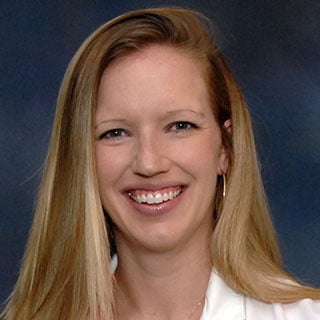
Trevecca’s PA program has exceeded my expectations. The faculty members are outstanding--they truly care about their students and strive to see each person in the program succeed academically, professionally and as a whole person.

Course Descriptions
Get details on all the courses you’ll complete as you work toward this degree at Trevecca.
Visit Campus
Even if you're taking classes online, visiting campus can be a great way to see the community you are joining and sit down with your future professors.

Related Articles
-

How Trevecca Prepares Students for the Fastest-Growing Careers in Tech and Healthcare
Discover how Trevecca Nazarene University prepares students for in-demand careers in healthcare and technology, offering tailored ...
-
Here’s How Trevecca Prepares You For Some of the Best STEM Jobs
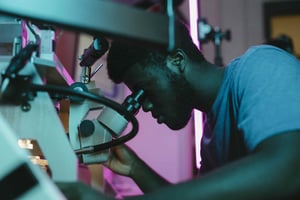
Explore how Trevecca Nazarene University prepares students for top STEM careers with hands-on experience, academic rigor and a ...
-
Dickenson Brings Hope and Healing to Cardiology Patients Around the World
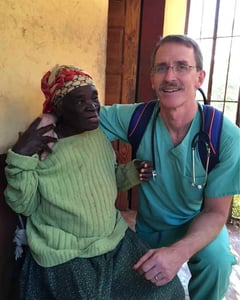
Discover how Trevecca alumnus Eric Dickenson brings hope and healing to cardiology patients in Haiti, blending medical expertise ...
