Education Specialist in Instructional Leadership
Trevecca’s education specialist degree in instructional leadership (Ed.S.) is specifically designed for those who are looking to make a difference as a dynamic leader in education. With this degree, administrators, instructional facilitators and teachers can learn about ways to improve student, school and district performance.
Want More Info?
All credit hours from this program can be transferred to Trevecca's Doctor of Education program.
Students in Trevecca’s Ed.S. program choose one of two specialized tracks to tailor their degree:
Accountability
This track builds on the strategic leadership and data-driven focus of the program and gives students an opportunity to think through the trends and challenges in education through focused research. They will be empowered to explore existing studies and use their own experience and learning to add to the field of knowledge.
Artificial Intelligence (AI)
This track empowers educators and leaders to integrate artificial intelligence (AI) effectively and ethically into their classrooms and institutions. By leveraging AI tools, educators can streamline tasks, enhance efficiency and reclaim valuable time—all while maintaining the highest standards of teaching and academic integrity. Graduates will emerge as forward-thinking leaders, ready to use AI to support student success, equip teachers with smarter workflows and sustain the transformative impact of education without sacrificing their well-being.
Program Benefits
- Complete your Ed.S. degree fully online in 15-16 months with no residency requirements.
- Continue to work and focus on your other priorities while earning your degree, taking one course at a time with all materials delivered to you.
- Utilize a built-in support system and complete your degree alongside others who are working toward similar goals through Trevecca’s cohort model.
- Learn from faculty who possess the highest degrees in their fields and have relevant and valuable real-world experience.
- Take advantage of an accelerated path toward an Ed.D. if you choose.
- Become eligible for the Instructional Leadership License (ILL-B)
- Focus your degree on AI or accountability by choosing a specialty track in either area.
What to Expect
As a student in Trevecca’s education specialist program, you’ll become an expert in leadership styles, data and accountability. You’ll also learn how to create and sustain effective environments to help low-performing schools; how to use data collaboratively to build healthy school cultures; how to close the achievement gap for students and schools; and how to recruit and retain effective professionals.
The Ed.S. program will also position you for continued licensure and education in your field. This degree leads to eligibility for the Instructional Leadership License (ILL). Also, all credits from the program are directly transferable to our Doctor of Education degree in leadership, which only takes an additional 30 credit hours to complete.
Tuition & Costs
Here’s a look at the approximate tuition rates you could expect for this program at Trevecca, including the cost per credit hour and the total tuition expense for the full degree program. Please note that rates and fees are subject to change.
Cost/Credit Hour$562 |
Hours30 |
Tuition Cost*$16,860 |
*$300 Student Resource Fee assessed per course
Career Opportunities: Ed.S.
With Trevecca’s education specialist degree, you’ll be ready to advance your career and tap into higher earning potential. This degree will position you to be competitive in the following roles:
- Dean of instruction
- Dean of students
- Instructional coach
- Assistant principal
- Principal
- AI integration specialist
- AI policy and ethics advocate
- District superintendent
- District office supervisor
Many students choose to bridge to the Doctor of Education (Ed.D.) program and earn their doctoral degree in education after completing this program.
- Licensure
- Admission Requirements
- Bridge to Ed.D
- Why Choose Trevecca?
Instructional Leadership License
Graduates from the Ed.S. program may qualify for the Instructional Leadership license (ILL-B).
Requirements for the Instructional Leadership License - Beginning (ILL-B) for the state of Tennessee begins with the following process:
- Complete required coursework in the instructional leadership program.
- Pass state-required test (School Leaders Licensure Assessment – PRAXIS SLLA 6990).
- Request ETS (Educational Testing Service) to send score to Trevecca Nazarene University.
- A master’s degree
- Three years of verifiable full-time teaching experience.
- An active teaching license, if you are seeking the administrative licensure that can be part of the program.
Steps to Apply
- Complete the online application (it's free!).
- Need help applying? Read the step-by-step instructions here!
- Fill out FAFSA to be considered for financial aid.
- Request a copy of your official transcript from your previous graduate institution.
- Provide photocopy of government-issued identification (e.g., driver's license, state ID, military ID, passport). This requirement ensures that Trevecca complies with the U.S. Department of Education expectations for student verification. (This is only required for students enrolled in an online program.)
- An enrollment counselor will contact you with the next steps.
Bridge to Ed.D
All credits from the Ed.S. program are directly transferable to our Doctor of Education in leadership (Ed.D.), which only takes an additional 30 credit hours to complete. This Ed.S.-to-Ed.D. bridge furthers student development, allowing them to advance their leadership expertise, emphasize strategic thinking, and hone their research skills.
Why Choose Trevecca?
Founded in 1901 and a leader in online education for more than two decades, Trevecca helps students discover and pursue an individual calling by providing innovative instruction; cultivating a supportive, Christ-centered community; and establishing relationships that open doors.
Recognized nationally and locally for academic quality, Trevecca has earned a reputation for providing the world with servant leaders, problem solvers and
difference makers.
Trevecca’s holistic approach to education encompasses intellectual, social, emotional, physical and spiritual growth.
Trevecca’s School of Education degree programs meet the rigorous national standards for education preparation established by the Council for the Accreditation of Educator Preparation (CAEP). CAEP promotes excellence in educator preparation through content and pedagogy, clinical partnerships and practice, candidate recruitment, progression and support, program impact, quality assurance and continuous improvement.


Course Descriptions
Get details on all the courses you’ll complete as you work toward this degree at Trevecca.
Read MoreNext Steps
App Process & Timeline
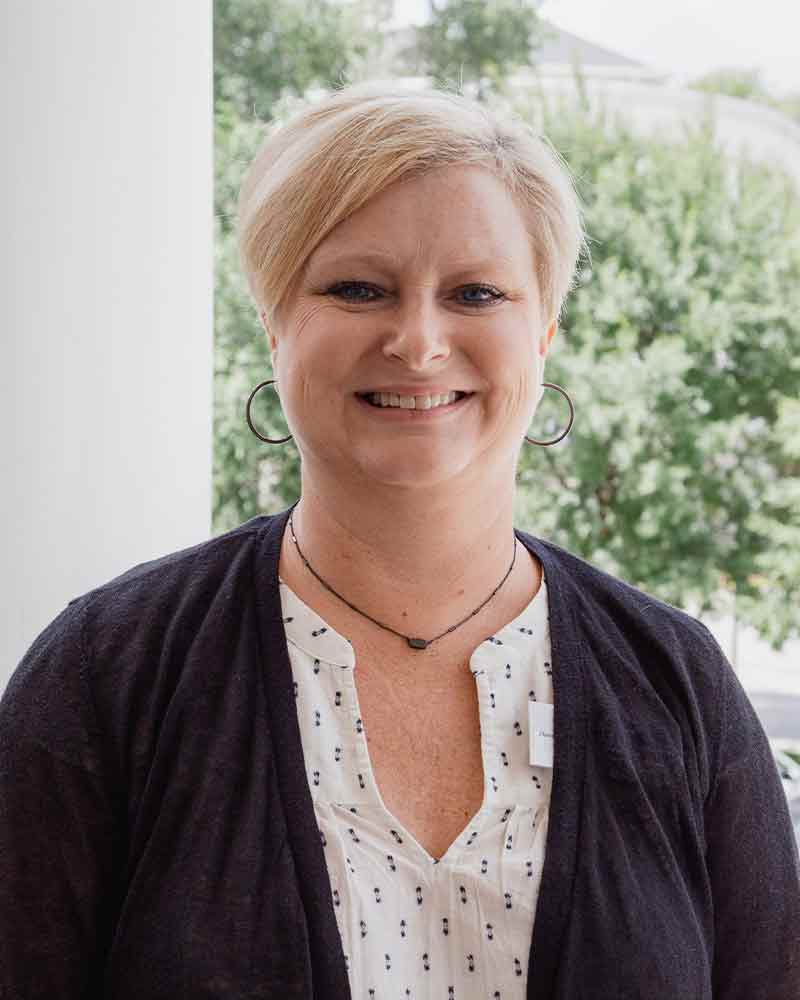
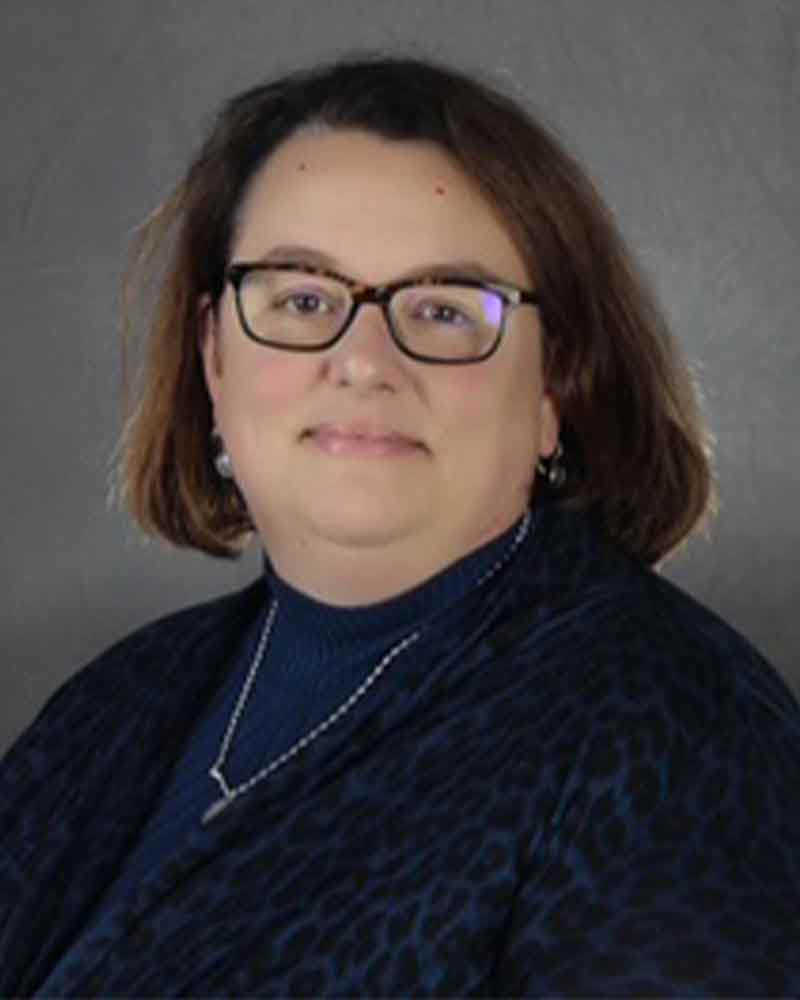
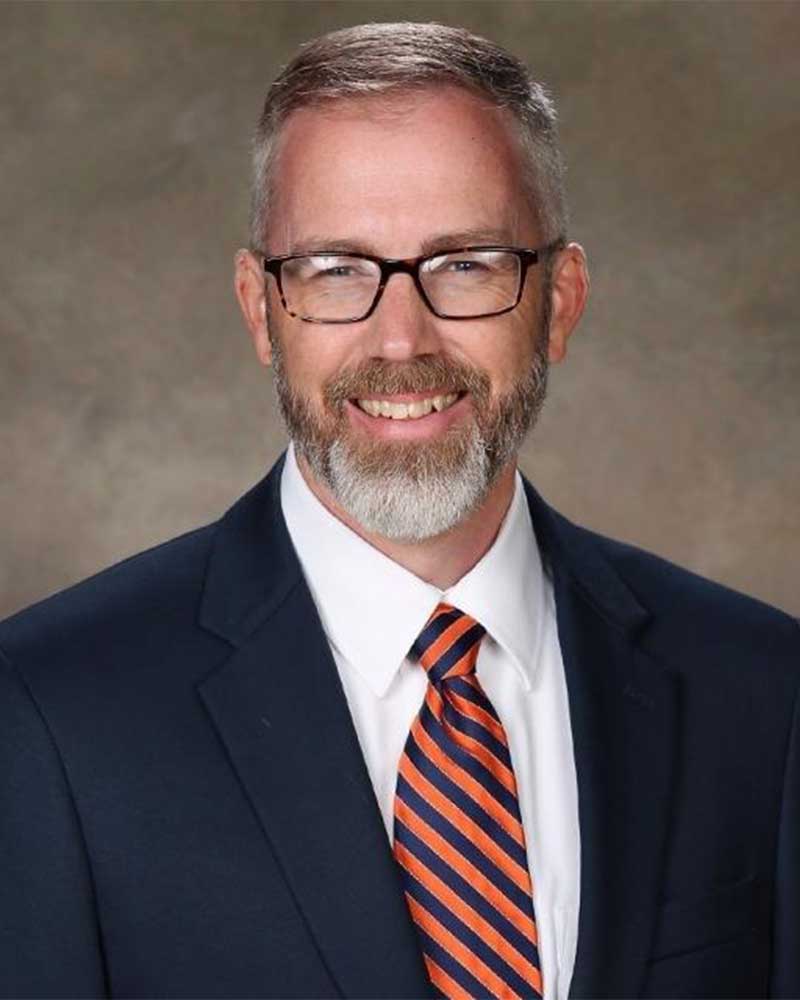
Our Ed.S. Faculty
-
Chris Causey
Adjunct Faculty
-
Peggy Druyor
Adjunct Faculty
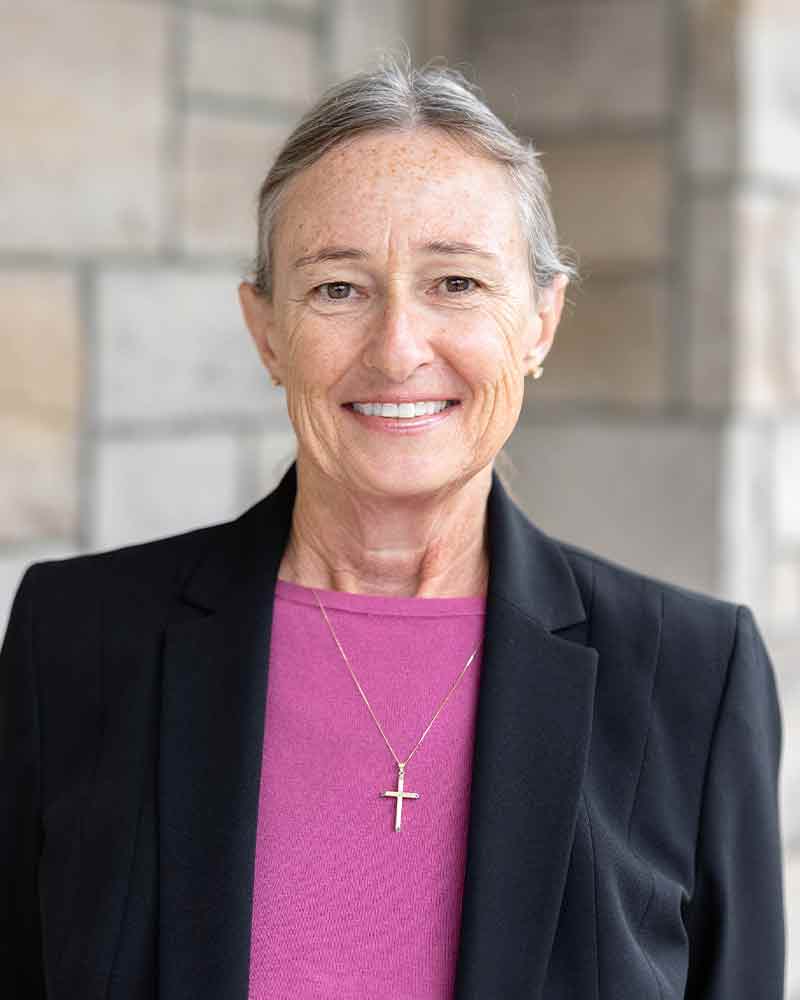
Peggy Druyor serves as an adjunct professor for Trevecca’s School of Education, mentors aspiring leaders and provides tutoring services for young learners. She has 20 years of experience in the Wilson County and Metropolitan Nashville Public ...Read Full Bio -
Avery Finch
Adjunct Faculty
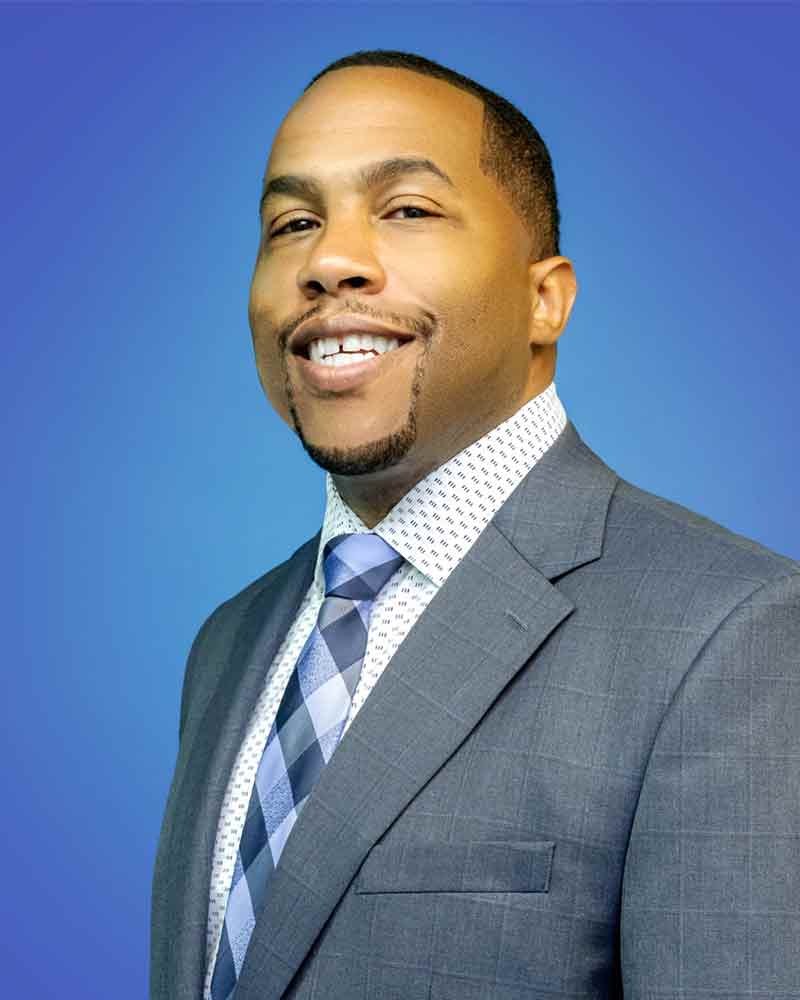
Read Full BioDr. Avery Finch is an experienced educational leader who serves as an adjunct professor in the School of Education and the School of Leadership and Interdisciplinary Studies. With nearly two decades of experience in public education, including ...
-
Stephanie Goff
Associate Professor & Director of Admin Liscn Programs
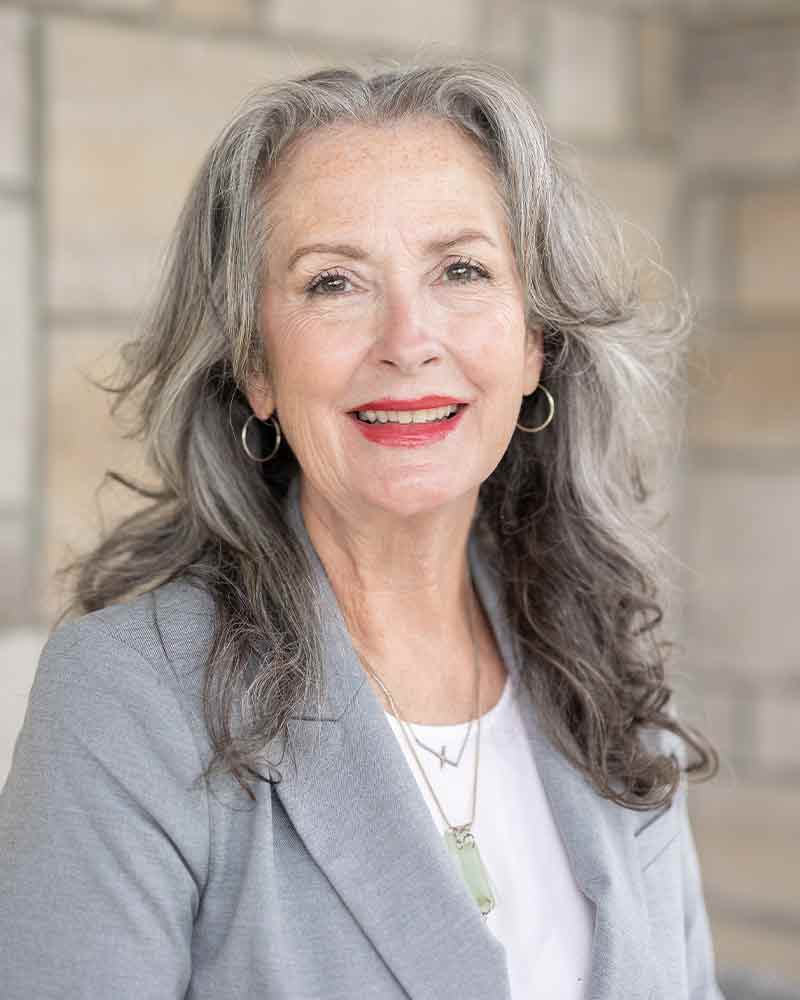
Read Full BioDr. Stephanie Goff serves a dual role as the Director of Administrative Licensure Programs, which include the M.Ed. in Educational Leadership and the Ed.S. in Accountability and Instructional Leadership, and an Associate Professor in both ...
-
Holly Hayse
Adjunct Faculty
Read Full BioDr. Holly Hayse is a dedicated K-8 educator, instructional coach and adjunct professor in the School of Education. With more than 25 years in teaching and leadership, she serves as an instructional coach for Manchester City Schools, where she ...
-
Tavia McLeod
Adjunct Faculty
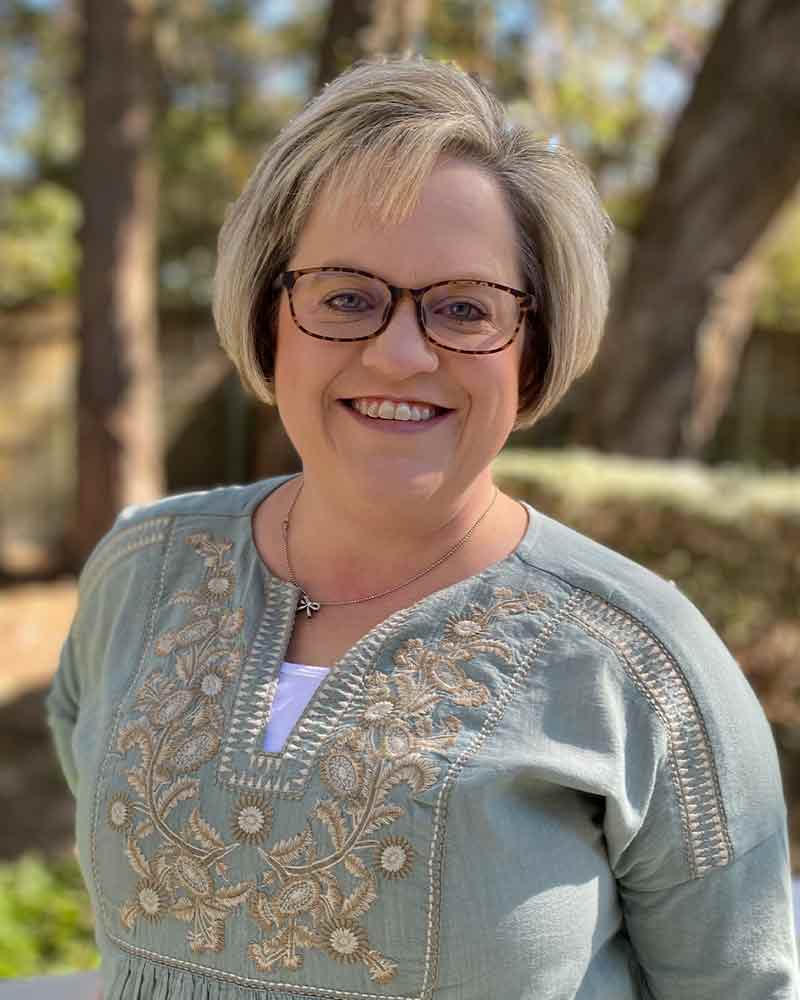
Dr. Tavia McLeod is an Adjunct Professor in the School of Education. Her PK-12 education experience includes special education and instructional leadership. She earned an M.Ed. in special education from Tennessee State University and an endorsement ...Read Full Bio -
Rebecca Owens
Adjunct Faculty
Rebecca Owens has more than 30 years of experience as a public-school attorney in Tennessee. She has served as president of the Tennessee Association of School Administrators (TASPA) and president of the Tennessee Council of School Board Attorneys ...Read Full Bio -
Bernice Russell
Adjunct Faculty
-
Joey Vaughn
Adjunct Faculty
The fact that the program was fully online was crucial for me, and several of my assistant principals and other staff members have pursued their degrees through Trevecca as well. It’s a testament to the program’s effectiveness and the way it can fit into our busy lives.

“My experience at Trevecca expanded my ability to face challenges, deepened my faith, gave me lifelong friendships and ultimately helped me become a better version of myself.”
“What mattered most was learning in a collaborative environment and seeing how professors tried to make students feel heard. It was not a top down approach. As a young student, learning that my perspective was valued was paramount to my future in teaching, learning and leading.”
Course Descriptions
Get details on all the courses you’ll complete as you work toward this degree at Trevecca.
Instruct Ldrshp Culture/Climate
EDU 7302
Candidates will explore the role of School Leader as they differentiate between administration, management, and instructional leadership styles within the school setting to improve student achievement with an emphasis on creating a school culture and climate that establishes high expectations for all stakeholders. The financial and legislative roles of local, state, and federal levels of government will be considered. Candidates will examine and unpack the TEAM Administrator Evaluator Rubric for a deep understanding of what an effective administrator needs to know and be able to do. Professional Learning Communities (PLCs) will provide the foundation in creating models for leveraging transformational change within the school culture for urgent change. Practical knowledge and tools will be examined to create and sustain collaborative PLC work that actively engages stakeholders in creating a shared vision and culture of supporting learning for all. Each candidate will analyze provided school data and build an effective School Improvement Plan upon the provided data.
Fld Exp I for Accountable Leaders
EDU 7420
This field experience is conducted during the first semester of the EdS program. Specifically, candidates are expected to clearly demonstrate an understanding of leadership styles and facilitation skills for meeting the needs of all student groups, and be able to advocate, nurture, and sustain a school culture and instructional program conductive to student learning and staff professional growth. They will master skills and attributes that can be used to develop the kinds of relationships that must exist between and among individuals functioning in a social system. Candidates will develop a plan to involve a diverse population of parents and community members in the education of Pre K-12 children. The analysis of case studies will inform approaches which can be used to set high expectations for all students and lead to school improvement/effectiveness. Candidates will analyze a set of data provided to them at the elementary, middle, or high school level and build a school improvement plan from this analysis of data. Candidates will begin their research for their major school project while developing a knowledge concerning both qualitative and quantitative research designs.
Navigating & Mapping Thru Data Analysis
EDU 7304
Candidates will be provided the tools necessary to analyze and build upon the influences and influencers that make a difference for students and their learning. The focus will identify ways to build school culture focusing on using data collaboratively to drive decisions, to implement strategic plans, to monitor progress, and to faculitate and sustain change.
Field Exp II for Accountable Leaders
EDU 7425
This second field experience is conducted during the second semester of the EdS program. Candidates will develop and exhibit the skills, structures, and leadership strategies needed to create and sustain effective leadership environments and enhance instructional excellence. Furthermore, candidates are expected to identify ways to build school cultures focused on using data collaboratively to drive decisions, to implement strategic plans, to monitor progress and to facilitate and sustain change. Skills will be taught to enable candidates to analyze data from all aspects of the school (i.e. culture, climate, instructional practices, learning strategies, demographics, test scores).
Strategy/Closing Achievement Gap
EDU 7306
Instructional strategies for closing achievement gaps prepare turnaround specialists to provide training for all teachers in models for teaching and learning, formative assessment tools and data process to determine remediation and accelerated learning strategies for all learners. Candidates insure that instructional strategies are fully aligned both vertically and horizontally with Common Core standards. Candidates communicate a compelling case and a sense of urgency to address chronic achievement deficits. This course will focus on research to increase instructional time in core areas, quick and intensive support for struggling students, and instructional strategy choices appropriate to the students being served.
Human Capital & Efficacy Building
EDU 7303
Effective use of human capital is designed to introduce educators to the processes and procedures necessary to recruit, hire, and retain professionals dedicated to increasing student outcomes and changing school culture and learning environments. One aspect of the course is an analysis of performance problems and recommendations needed to assist the employee and organization to achieve organizational goals and to manage change. An integral part of building human capital is to ensure all stakeholders have a positive, highly functional self efficacy.
Field Exp III for Accountable Ldrs
EDU 7430
This field experience is conducted during the third semester of the program. Specifically, candidates are expected to develop a thorough understanding of the change process, analysis of data, implications from data analysis, instuctional improvement and the involvement of all stakeholders in the school improvement planning process. Furthermore, the course includes responding to diversity for the improvement of instruction, for increased student learning, and for a positive school climate, specifically in these areas: ethnicity/race, socioeconomic, gender exceptionalities, language, and religion, in urban/suburban/rural settings. Effective use of human resources is examined in the areas of recruitment, hiring, induction, and retention. Individualized, well-executed professional development is viewed as a necessary component of retention and growth for exceptional teachers.
Distrib Lrdshp/Capacity & Sustainability
EDU 7307
The candidates combine the tenets of transformational leadership, situational and servant leadership, and capacity building within an organization with a focus on program sustainability. Research has shown that any sustainable change must be implemented in an organization's culture and must be owned by members of that organization in order to be maintained after the funds are depleted and the change agent has left the building. Therefore this course will explore in detail the three Cs: Communication, Collaboration, and Change with effective methods for implementation. Case studies with essential tools for potential turnaround specialists in organizations will be a focal point of this course. Strategic planning, policy development, understanding of existing policies, procedures, and legal requirements are competenacies essential for any turnaround specialist. Knowledge of existing governing bodies with political implication and an ability to quickly assess situations in failing organizations will also be examined in this course.
Field Exp IV for Accountable Leaders
EDU 7435
Field Experience IV is conducted during the fourth and final semester of the program. Distributed leadership will be studied as a necessary component of building a strong culture of shared decision making and accountability for the academic, social and emotional development of all children. Candidates will focus on the principles, strategies, and techniques utilized to enhance student learning and close achievement gaps through in depth data analysis and interpretation for all aspects of the school organization. Professinal Learning Communities(PLCs) will be explored as a tool to encourage teacher leaders and for the advancement of academic achievement for all students. Parental involvement in the decision making process will be encouraged. Areas of interest will include: student learning, effective teaching, connecting students and community resources, and analyzing problems other than academic related. Observaion of and interaction with school leader(s) are required. The Capstone Colloquium featuring each candidate's action research project conducted over the preceding three semesters will be presented to a juried panel. This project involves material learned and assignments experienced throughout the coursework and the guided action research completed in LEA schools.
AI Track
Fndtns AI Instructional Ldrshp
EDU 7309
This introductory course equips educational leaders with the foundational knowledge and skills to integrate artificial intelligence (AI) into teacher coaching and professional development, launching the AI-Enhanced Instructional Leadership track. Over six weeks, students will explore AI-driven feedback platforms, lesson design software, and climate analysis tools to provide real-time support, enhance instructional planning, and foster positive school environments. Emphasizing ethical AI use, participants will develop strategies to mentor educators and promote teacher retention. Through practical applications and reflective practice, this course prepares leaders to drive instructional excellence in diverse settings, aligning with Trevecca's mission to cultivate innovative, ethical leadership.
AI for Data-Driven Decision Making
EDU 7310
Building on foundational AI skills, this course empowers educational leaders to leverage artificial intelligence (AI) to enhance teacher collaboration, align curriculum with standards, and promote equitable student engagement over six weeks. Students will utilize collaboration analytics tools, curriculum mapping software, and personalized learning platforms to facilitate Professional Learning Communities, design inclusive instructional frameworks, and strengthen team dynamics. Through hands-on projects, such as creating AI-enhanced curriculum plans, participants will learn to scale instructional improvements ethically and effectively. This course advances Trevecca's commitment to transformative leadership by preparing educators to unite teams in data-informed, inclusive practices.
AI for Instructional Coaching
EDU 7311
This course equips educational leaders to design and implement AI-driven instructional coaching frameworks that integrate school-wide systems with personalized teacher support. Over six weeks, students will develop systemic coaching processes using observation management systems and performance analytics tools to enhance school-wide instructional goals, then adapt these frameworks to individual educators' needs through feedback and data analysis platforms. Emphasizing ethical AI use and equity, participants will create a comprehensive coaching model that fosters teacher efficacy and student achievement. Through hands-on projects and reflective practice, leaders will synthesize prior learning to drive transformative, inclusive instructional leadership.
Accountability Track
Toolkit for Low Performing Schools
EDU 7305
Since there is not set of strategies that when applied will lead each school from low performing to excellence, the candidates in this course will develop and exhibit the skills, structures, and leadership strategies needed to create and sustain effective leadership environments and enhance instructional excellence. Each candidate will become adept in the selection and implementation of research-based tools to determine the appropriate strategies for their particular school situation.
Legal Fnds Policies Instrctnl Ldr
EDU 7312
Inclusive Ldrsh/Cultrl Comptence
EDU 7313
*For a complete list of courses, tracks and other relevant information, view the program's course catalog.
Related Articles
-
Head Uses Specialist Education Degree to Improve Leadership and Connect with Students
Explore how Cynthia Head's educational journey at Trevecca, pursuing a specialist degree in accountability and instructional ...
Read More -
Smith Uses Ed.S. to Excel as School Administrator and Inspire Colleagues to Pursue Advanced Degrees
Discover how Justin Smith used his Ed.S. degree to excel as a school administrator, inspire colleagues, and implement positive ...
Read More -
Trevecca Launches New Artificial Intelligence Track for Education Specialist Degree
Trevecca Nazarene University launches an AI-focused track in their Education Specialist degree program to equip educators with ...
Read More
Related Programs
-
Teaching (M.A.)
The Master of Arts in teaching offers an endorsement in either elementary education (K-5) or secondary education (6-12) to individuals with a bachelor’s degree seeking to become a teacher. The program equips students in both remote and online instruction strategies and provides hands-on learning with student teaching opportunities in local classrooms.
Learn More -
Educational Leadership (M.Ed.)
The Master of Education in educational leadership is a licensure-seeking program that prepares educators to design effective curriculum and utilize data to improve student learning and increase school success. Learn More